Your Employees Are Struggling with Workplace Nutrition
10/02/26 14:19 Filed in:
Corporate NutritionHere Are the Real Stories Behind the “I’m Okay Masks”
If your team members have found their way to a dietitian it’s because they’re battling with fatigue, struggling to lose weight, or coming to grips with a new diagnosis.
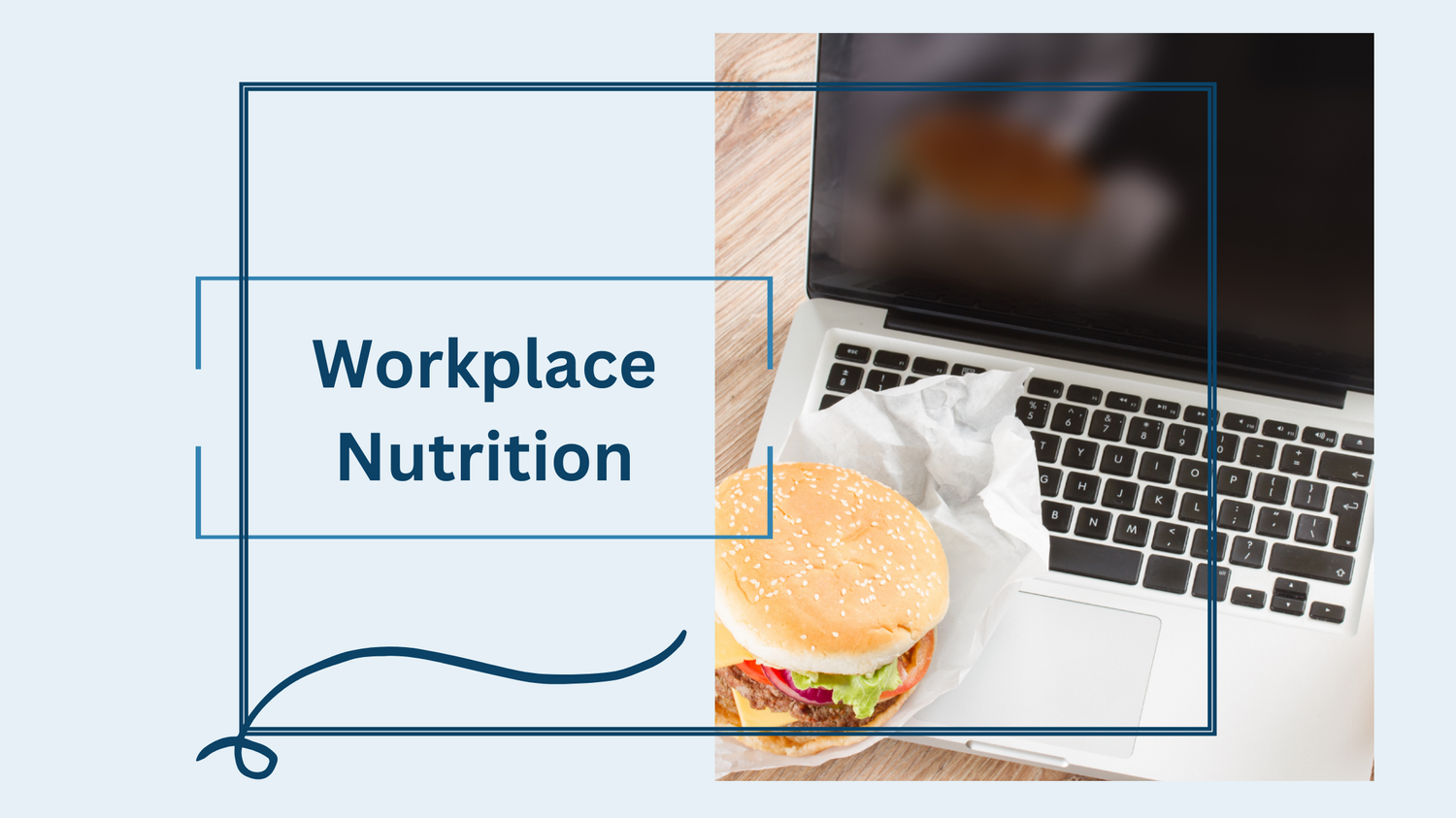
“I’m so busy at work, I don’t have time to eat.”
“I grab whatever’s quick and easy from the canteen – usually a toasted sarmie.”
“I don’t have time to cook healthy meals for my family – I buy take aways on my way home.”
You might have said some of these things yourself. It’s often how my consultations start. Along with a deep sigh and a defeated glance at the floor.
If your team members have found their way to a dietitian it’s because they’re battling with fatigue, struggling to lose weight, or coming to grips with a new diagnosis.
They turn to me, hoping to find the solution to eating the way they know they should while keeping up with the demands at the office and still making time for their families and the things they love.
Good nutrition is the foundation of human health. So, finding a way to squeeze in the veggies and cook balanced meals at home forms the groundwork for health and wellness at home and in the office.
That’s why HR leaders need to look beyond surface-level employee wellness programs and find ways to truly support employees’ health before it leads to an increase in sick days.
“I’m Fine” – Workplace Nutrition Problems are Hiding in Plain Sight
“I’m fine, thanks, and you?”
How many times a day do we say that? I bet it’s almost every time you great someone. We don’t even think about it. It’s an automatic response when someone casually asks how you’re doing.
After all, the office is not the place to talk about your persistently blocked up bowel or how you had cereal for supper last night…again! You leave your personal problems at home and quietly go on with your day.
Even when someone remarks that you haven't eaten all day, your response is probably: "I'm fine." But, did you know that you eat over half of your daily calories at the office? That’s assuming you’re eating the recommended 3 meals per day and, of course, snacks.
However, typical workplace eating habits don’t support your team’s health and productivity. In fact, research reveals that a significant number of employees don’t eat the recommended number of meals per day nor do they make healthy food choices.
Skipped Meals
A South African study showed that 51% of participants reported skipping breakfast, 20% skip lunch, and 11% skip supper. I can back this up with my own observations. Many of my patients only eat once or twice a day due to lack of time to prepare meals.
To justify their erratic meal pattern, people will tell me “I’m doing intermittent fasting.” Intermittent fasting's meant to be good for you, isn't it? So, what’s wrong with skipping meals?
It’s true that IF has some health and weight loss benefits. However, skipping meals has a knock-on effect on health and performance in the office. Just as your braai needs wood or coal to generate heat to cook your meat, so your body needs food for energy so your heart can keep beating and your brain can keep thinking.
If you don’t provide enough fuel, bodily processes start slowing down. You might feel tired and sluggish, experience brain fog, and develop cravings for whatever you can find in the office vending machine.
Snack Attack
This sets up a slippery slope for even those with the best of healthy-eating intentions. As blood sugar levels crash the day starts to feel long and hard. The quick solution is to buy a snack.
While many will buy a sparkling water, it's more common for employees to turn to high-sugar, high-fat options like chocolates, chips, and fizzy drinks. It temporarily fills your tank and makes you feel better.
Unfortunately, the frequent consumption of these quick-fix options is linked to health risks such as heart disease, hypertension, diabetes, and obesity.
The Hidden Cost of Back-to-Back Meetings: One Employee's Nutrition Journey
Michael came to me after some disturbing news from his doctor. He was only 26 years old at the time, working in the banking sector. He got to work early every day to miss the traffic, spent the entire day solving problems, then drove home after 6pm, exhausted and ravenous with no desire to now spend time in the kitchen preparing dinner.
He relied on convenience meals and take aways to satisfy his hunger. He struggled to fit in a regular workout. He spent too much time staring at the TV in the evening, snacking on chips and chocolates, trying to recover from the stress of the day instead of ensuring that he got enough good quality sleep.
The result? At just 26, Michael’s doctor told him that he needed to make some drastic lifestyle changes. Since starting work, Michael had gained a lot of weight and was now obese. But even more concerning, his blood pressure was extremely high, his cholesterol was dangerously elevated, and his blood sugar levels weren’t looking good either. His medical profile was looking like a forty-year-old's.
Instead of just taking the medication his doctor prescribed, Michael made the decision to prioritise his needs. First, instead of heading straight to the office in the morning, he dedicated the first hour of his day to going to the gym.
Next, he booked a consultation with me where we devised a realistic nutrition plan that addressed his weight, hypertension, cholesterol, and blood sugar control. He started cooking simple meals at home, doing some meal prep over the weekend to make the workdays a bit easier. We also discussed what to look for in convenience meals for days when he needed a quick meal solution.
The result: Michael achieved his ideal goal weight. His cholesterol and sugar levels normalised to the point where he was able to stop taking his medication. And his blood pressure also stabilised.
Yes, it took motivation and dedication, but with some small tweaks to his daily routine, Michael overcame his health problems and improved his productivity at work.
10 Workplace Factors That Sabotage Employee Nutrition
At this point you’re probably asking, “what gets in the way of healthy eating in the office?” Here are 10 common workplace factors that sabotage employee nutrition:
- Time pressure and rushed breaks: Short lunch breaks or back-to-back meetings push people toward fast, convenient food options instead of balanced meals.
- Constant availability of unhealthy snacks: Office treats, biscuits, vending machines, and snack bowls create nonstop temptation and mindless eating.
- Stress-eating: High workloads and chronic stress increase cravings for sugary, salty comfort foods and reduce appetite for healthier choices.
- Skipping meals due to workload: Employees often miss breakfast or lunch, leading to energy crashes and overeating later in the day.
- No access to healthy food options nearby: If the closest options are takeaways, fried foods, or sugary coffee drinks, healthy eating becomes inconvenient.
- Meetings built around junk food: Many workplaces reward attendance with pastries, pizza, or sugary snacks, reinforcing unhealthy norms.
- Lack of proper food storage or prep facilities: No fridge, microwave, or clean eating area makes it harder to bring nutritious meals from home.
- Workplace culture of desk dining: Eating while working reduces mindfulness, increases overeating, and often leads to less satisfying food choices.
- Long sedentary hours and energy slumps: Sitting all day can lower energy and trigger cravings for quick fixes like caffeine and sugar.
- Social pressure and food-based bonding: Colleagues may encourage indulgent eating - “Just have a slice!” - making healthy choices feel isolating.
How to Create a Nutrition-Supportive Workplace
Creating a nutrition-supportive workplace doesn’t require a complete overhaul. It requires intention, structure, and expert guidance.
When HR teams take steps to improve food culture, reduce stress-driven eating patterns, and make healthy choices more accessible, the impact stretches beyond nutrition. Employees experience better energy, sharper focus, improved mood, and greater resilience, supporting productivity, engagement, and long-term wellbeing.
The good news is that you don’t have to do this alone.
As a registered dietitian with over 25 years of experience in workplace and lifestyle-focused nutrition, I partner with organizations to create realistic, people-first nutrition strategies that work in the context of busy corporate life.
My corporate wellness packages are designed to meet employees where they are. I have a solution for your company whether you’re looking for a once-off wellness activation or a more structured nutrition program.
HR teams can choose from three flexible support options:
- Essential Workplace Nutrition: ideal for building awareness through engaging nutrition talks and practical education
- Enhanced Employee Wellness Program: combining nutrition talks with quarterly themed wellness campaigns
- Strategic Corporate Nutrition Partnership: a comprehensive solution including consultations, ongoing support, and tailored nutrition initiatives
In addition, I offer a range of stand-alone services such as wellness day themed dietitian stands and corporate wellness content, perfect for Wellness Days or targeted campaigns.
If your organization is ready to move beyond snack bowls and generic wellness messaging and instead create a workplace culture where employees truly feel supported in their health choices, I’d love to help.
Let’s design a corporate nutrition solution that fits your team, your goals, and your budget.
Reach out today to schedule a discovery call or request a customised proposal.
Tags: corporate wellness, employee nutrition, nutrition in the office