Good Food: Good Mood
11/09/24 11:49 Filed in:
Diet and NutritionHow Your Diet Affects Your Mental Health
Stress. Burnout. Depression. Anxiety. Your dietitian probably isn’t the first person you turn to when you’re battling mental health issues. You may have been surprised to see me at a mental health-themed wellness day. If you came to chat with me, though, you now know that what you eat is as important for your mental wellbeing as it is for your physical health.
Does your modern fast-paced work environment leave you feeling depleted and wrung out? Between meetings and spreadsheets, phone calls and emails, do you even have time to sit down and eat, never mind prepare healthy meals?
Just as a physical illness affects your ability to work and stay focused, so poor mental health makes it difficult to continue juggling everything on your plate, affecting your productivity. That’s why mental wellbeing has become a critical concern for both employees and employers.
While many things contribute to your mental health, one key aspect, which is often overlooked, is nutrition. The food you eat doesn't just fuel your body; it significantly affects your mood, cognitive function, and overall mental health.
The bottom line is, eating a balanced diet means having more energy, which in turn, means better brain power and a more stable mood. Let's explore the connection between diet and mental wellbeing and discover how making informed food choices can change your outlook on life.
The Food-Mood Connection
You might feel grumpy when you go out to eat and your plate of food is cold and inedible. On the other hand, eating a chocolate or a packet of crisps when you’ve had a bad day can help turn your frown upside down.
Our relationship with food is complicated. It would be simple if the only reason we eat is to nourish our bodies. But, going out for a bite to celebrate your promotion, or grabbing a drink with a colleague after a long hard day, or celebrating your friend’s birthday, and, of course, watching the Springboks win the World Cup 😉 involves yummy food and decadent drinks—usually too much of both.
Food is associated with your emotions, family, friends, special occasions, and memories—good and bad. But the link between food and mood is even more complex than this.
Essential Nutrients for Mental Health
To keep your brain in tip-top shape you must eat a balanced diet to provide it with high quality fuel and essential nutrients. Grabbing the most convenient meal at the canteen or drive-through might fill your growling tummy and make you feel better in the short term, but in the long run, this habit causes fatigue, brain fog, and low mood, making it difficult to stay on top of your personal and work commitments.
The key dietary aspects when eating with the goal of having more energy and feeling better about yourself are outlined here:
#1 Balance
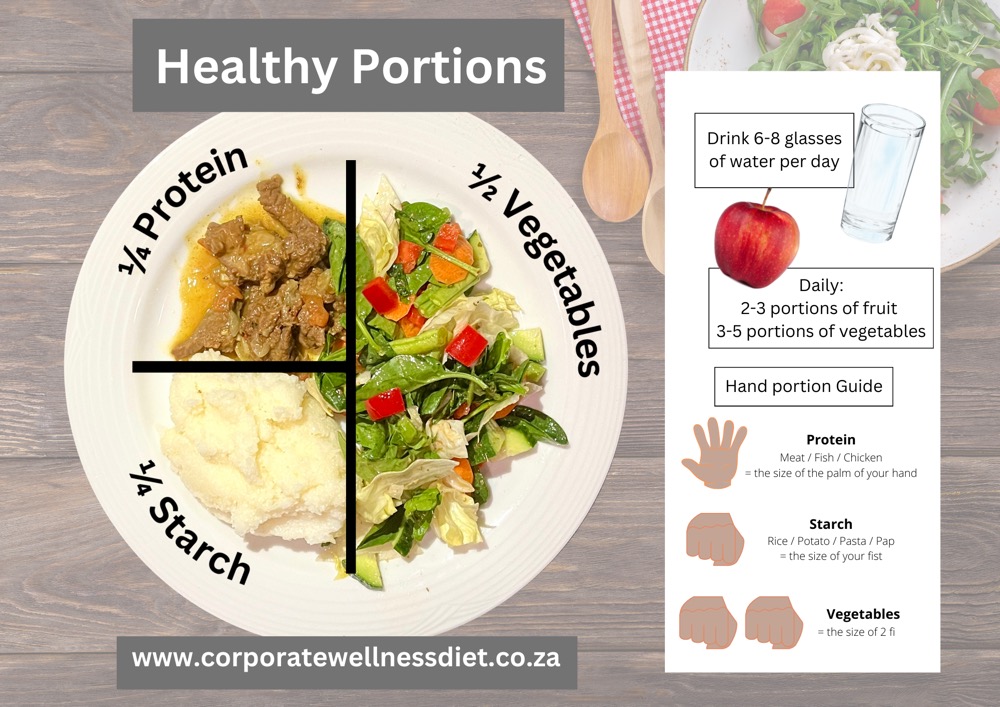 Whether you want to lose weight, control your blood sugar, or improve your mood, your plate must contain a balance of energy and nutrients. Remember the portion plate on my health day display? It summarizes the healthy eating guidelines beautifully. When you fill half of your plate with colourful vegetables, a quarter with slow-release carbs, and a quarter with lean protein, it becomes simple to eat a balanced diet.
To break it down a little further, the vegetables in your meal are packed with soluble and insoluble fibre to keep you feeling full, stabilize your blood sugar levels, and feed the healthy bacteria living in your gut. They are also treasure troves of vitamins, minerals, and phytonutrients (a fancy word for nutritious plant chemicals). Without these micronutrients, your metabolism slows down, basic cellular functions can’t be carried out, and your physical and mental health suffer.
The carbohydrates, or starchy foods, are there to supply your muscles and brain with energy. In fact, the glucose extracted from these foods during digestion is your body’s go-to fuel. However, like the fuel you put in your car, it’s important to choose the right one. Also, you must eat the right amount to meet your energy requirements to stay sharp and focused. On the other hand, eating too much causes weight gain.
The protein on your plate also provides your body with energy. But its main function is to build and repair tissue in your body. Amino acids, the building blocks of protein are components of muscle, hormones, antibodies, and enzymes. That’s why, when you don’t eat enough protein, you become weak, digestion is less effective, and you get sick more often.
Finally, a macronutrient we haven’t mentioned yet, fat. While it’s a very energy-dense food, fat is an essential part of your diet. Your brain is largely made up of fat and your nerves are all covered in a fatty protective layer that ensures nerve messages are efficiently transmitted. Getting the balance right between saturated and unsaturated fat is the key here. Too much saturated fat is linked to heart disease. But fats high in essential fatty acids offer many benefits to the body and brain.
#2 Sustained energy
When you think of blood sugar control, you probably think of diabetes. If you don’t have this condition then you don’t have to worry about it, right? Wrong! Good blood sugar control is important for every single person.
When it comes to mental health, stable blood sugar levels help you concentrate, think clearly, and can even help reduce symptoms of depression and anxiety. So, where does blood sugar come from?
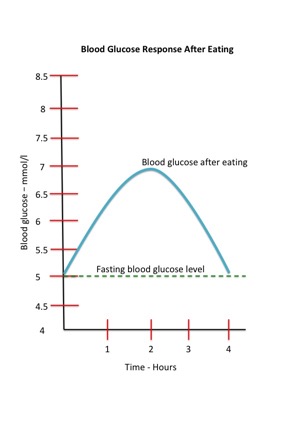
All carbohydrate foods from table sugar to breakfast cereal, brown bread to doughnuts, and sweet potato to brown rice are converted to their simplest form, glucose when they are digested. Here’s the kicker, though. Not all carbs are created equal.
I’m sure this comes as no surprise considering the on-going debates about whether sugar is addictive and whether we should be eating carbs at all. After all, removing all sources of sugar from your diet seems like a simple fix for a multitude of health problems.
It may be but, as is the case with all easy solutions, there are complications. First of all, when you cut carbs out of your diet, you also cut out an excellent source of dietary fibre and micronutrients such as B-vitamins. While some people seem to thrive on a keto-type diet, others struggle with brain fog, fatigue, and constipation.
The trick is to choose starchy foods that don’t cause a rapid spike in blood sugar levels, instead they maintain a healthy blood glucose range. Of course, I am talking about low GI carbohydrates.
GI stands for glycaemic index—a scale that measures how quickly your blood sugar rises after eating carbohydrate foods. The bottom line is there are high and low GI foods.
High GI carbs are usually very refined and don’t contain much fiber. Think white bread, sugary breakfast cereal, and doughnuts. They are digested very quickly, rapidly releasing sugar into the bloodstream.
On the other hand, low GI carbs are typically rich in both soluble and insoluble fibre, making them more difficult for your body to break down, resulting in a slower rise in blood glucose and sustained energy levels. Good examples are oats, sweet potato, and brown rice.
#3 The Gut-Brain Axis
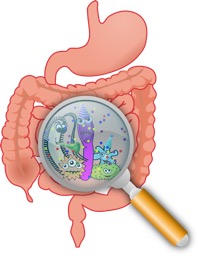
These days, you can’t read anything about health without the mention of the gut microbiome—the trillions of microorganisms living in your digestive system. It might seem a little strange. Aren’t bacteria, viruses, and fungi bad for you? They cause disease, don’t they?
Yes, some microbes make you sick. But we’re not talking about strep throat, stomach flu, or COVID here. We’re referring to the friendly ones that live in harmony with us, the ones that actually benefit the human body. Without them, we would be very sick indeed.
Their influence extends a lot further than your gut, though. A healthy gut microbiome has been linked to metabolism, obesity, heart disease…and mental wellbeing. Yip, the bacteria in your gut send messages to your brain and vice versa along a collection of nerves called the gut-brain axis. So, there is more to it when you say you have a gut feeling than simply the sensation of having butterflies in your stomach.
More to the point, an imbalance in the gut microbiome, referred to as dysbiosis, affects the production of mood-related neurotransmitters, including serotonin and dopamine. Therefore, some studies suggest that probiotics should be considered along with more conventional medication in the management of depression and anxiety.
#4 Antioxidants
Stress, environmental pollution, and an unhealthy diet cause damage in the body at a cellular level through the action of free radicals - unstable atoms. They can lead to premature aging and illness. Fortunately, we are designed with the ability to neutralize these destructive forces.
Antioxidant nutrients in your diet bind to free radicals, rendering them powerless. That’s right, vitamins A, C, and E, minerals selenium, zinc, and copper, along with phytonutrients like lycopene and anthocyanins are potent soldiers preventing the damaging effects of these rogue agents.
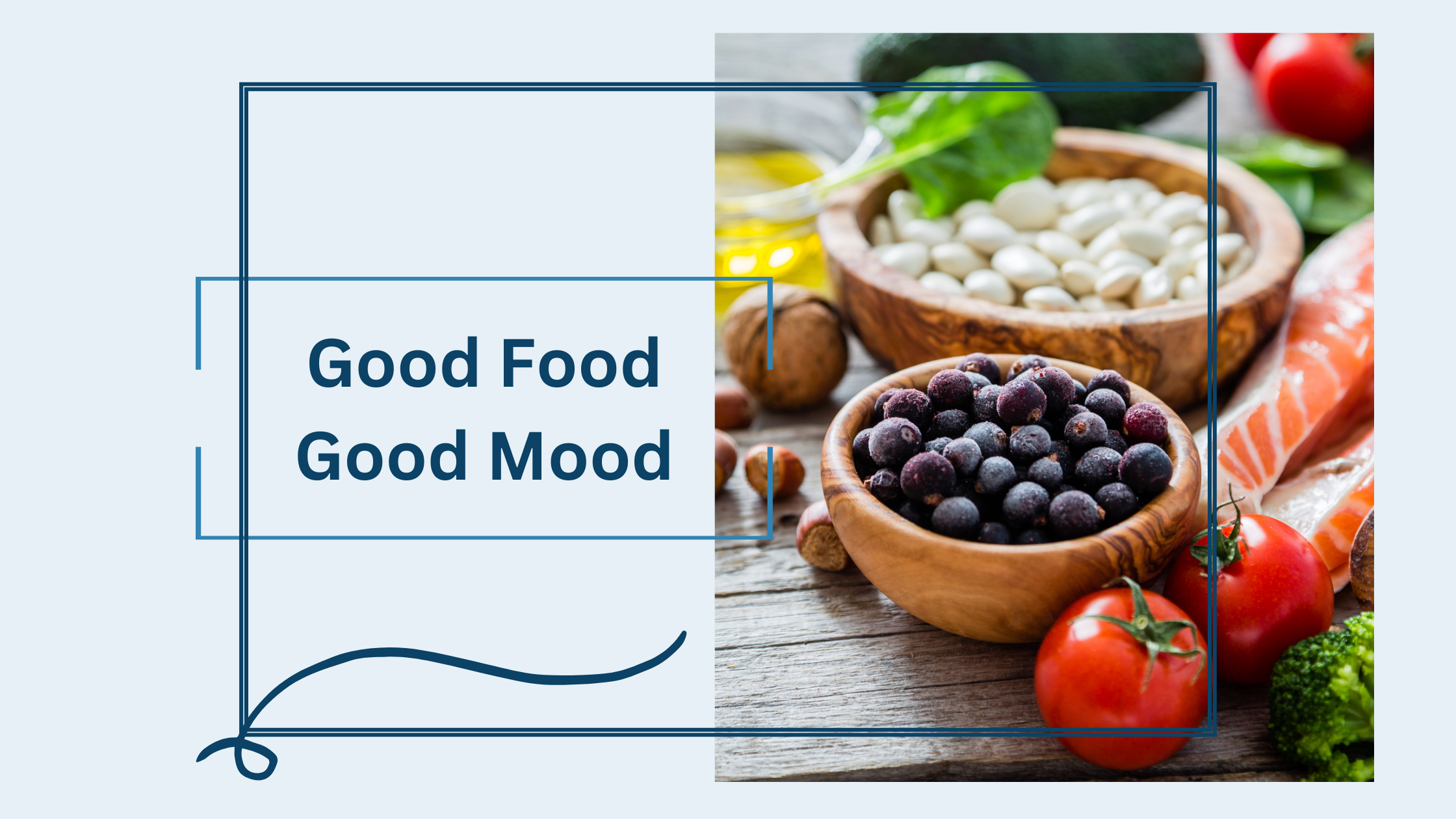
The list of foods containing antioxidants is long, and if you eat a balanced plant-forward diet, full of different colours, you will be consuming plenty of these life-sustaining chemicals. Some examples include onions, berries, carrots, spinach, tomatoes, green tea, and avocados.
#5 Omega-3 Fatty Acids
When talking to people at health days, I find most people are aware of omega-3 fatty acids in the form of supplements. While I am thrilled by this awareness, I am disappointed there is less knowledge about where to find these essential nutrients in food.
The best source is definitely fatty fish. Think tuna, salmon, sardines, pilchards, and trout. If you don’t like fish or follow a vegetarian diet, your options include olive oil, avocados, nuts like walnuts, and seeds such as flax, chia, or sunflower.
These unsaturated fats are best known for their anti-inflammatory properties in relation to heart disease. It turns out, though, that what’s good for the heart is good for the brain. Reducing chronic brain inflammation not only improves cognitive function, but also has a positive effect on your mood.
#6 Flavonoids
If you're looking for a reason to eat chocolate, here it is! Dark chocolate, in particular, is rich in plant chemicals called flavonoids. Research shows that these compounds can improve your mood immediately after eating them, and also help reduce symptoms of depression and anxiety in the long term. Other foods rich in flavonoids include berries, green tea, apples, tomatoes, and red wine.
#7 Vitamins and Minerals
B-vitamins, vitamin C, vitamin E, vitamin D, magnesium, zinc, and potassium are among the micronutrients that support brain and mood health. The best way to obtain these nourishing compounds is by eating a balanced diet that includes carbohydrates, protein, fat, vegetables, and fruit.
Top 10 Foods for a Better Mood
- Fatty Fish: Rich in omega-3 fatty acids, crucial for brain health and potentially reducing symptoms of depression and anxiety.
- Blueberries: High in antioxidants, they may improve memory and cognitive function.
- Dark Chocolate: Contains mood-enhancing flavonoids that may reduce stress hormones.
- Nuts: Provide vitamin E for brain cell protection and help stabilize blood sugar levels.
- Leafy Greens: High in folate, linked to lower rates of depression.
- Yoghurt: Contains probiotics that can positively influence the gut-brain axis.
- Whole Grains: Provide steady energy and B vitamins for brain health.
- Avocado: Rich in tyrosine, which helps produce the mood-boosting neurotransmitter dopamine.
- Green Tea: Contains L-theanine, an amino acid with calming effects.
- Turmeric: Its active compound, curcumin, may boost serotonin and dopamine levels.
Foods That May Harm Mental Health
The topic of food and mood would be incomplete if we ignored the foods that can potentially ruin your mental wellbeing. I can’t tell you how many times people have told me they can’t resist the allure of the vending machine in the afternoon. It seems that chips, chocolate, and a sugary pick-me-up drink make it easier to get through the last two hours of the workday.
Of course, these treats are perfectly fine when eaten occasionally. But when they become a daily habit, combined with other unhealthy food and lifestyle choices, they make you feel worse instead of better.
One of the biggest problems is the blood sugar spikes they cause. Take a mindful approach next time you down a sugar-laden cold drink. Make a note of how you feel before you drink it, how quickly it picks you up, and when the effects wear off. You will most likely see that although the sugar hits your system very quickly, relieving your tiredness, it doesn’t last very long. Before you know it, you’re looking for something else to eat.
Ultra processed foods like hotdogs, sausages, deli meats, breakfast cereals, bread, ready meals, and commercially baked goods are often high in unhealthy fats, sugars, and artificial additives. These can contribute to chronic inflammation, cognitive, and mood issues.
Furthermore, excessive consumption of saturated (red meat, skin on chicken, full cream dairy products, coconut oil, and cream) and trans fats (processed and fried foods) may increase the risk of depression and cognitive decline.
Finally, you may think you are doing yourself a favour when you choose artificial or non-nutritive sweeteners. They may not add to your daily calorie intake, but they can negatively impact your gut bacteria, potentially affecting mood.
10 Foods to Limit for Better Mental Health
- Sugary Snacks: Can cause rapid blood sugar fluctuations, leading to mood swings.
- Processed Meats: Often high in nitrates and saturated fats, potentially contributing to inflammation.
- Fried Foods: May increase inflammation, worsening symptoms of depression and anxiety.
- Artificial Sweeteners: Potential negative effects on gut bacteria and mood.
- Alcohol: A depressant that can worsen anxiety and depression symptoms over time.
- Caffeinated Energy Drinks: Can disrupt sleep patterns and increase anxiety.
- White Bread: Rapidly converts to sugar, potentially causing energy crashes.
- Soda: High in sugar and often contains artificial additives that may affect behavior.
- High-Sodium Frozen Meals: Excessive salt intake may indirectly affect brain function.
- Sugary Breakfast Cereals: Can cause rapid blood sugar spikes and crashes, affecting mood and energy levels.
Include a Dietitian in Your Corporate Mental Wellness Team
A dietitian can be a valuable addition to a corporate wellness team focused on mental health for several reasons:
- Nutrition-mental health link: Diet significantly impacts mental health. A dietitian can educate employees on foods that support brain function and mood regulation.
- Stress management: Proper nutrition can help the body better cope with stress. A dietitian can provide guidance on stress-reducing foods and eating habits.
- Energy and productivity: Balanced nutrition supports stable energy levels throughout the workday, potentially improving focus and productivity.
- Gut-brain connection: The gut microbiome influences mental health. Dietitians can advise on foods that promote a healthy gut, potentially benefiting mental well-being.
- Personalized approach: Dietitians can offer individualized nutrition plans that consider an employee's specific mental health needs and goals.
- Holistic wellness: Including a dietitian promotes a more comprehensive approach to mental health, acknowledging the interconnectedness of physical and mental well-being.
Boost Your Mood with Food
The food you eat plays a crucial role in shaping your mental health and wellbeing. By making informed choices and incorporating mood-boosting foods into our diet while limiting those that may have negative effects, you can take a proactive approach to maintaining good mental health.
Remember, a balanced diet rich in whole foods, along with regular exercise and stress management techniques, can go a long way in promoting a positive mood and optimal cognitive function. So, the next time you're reaching for a snack or planning your meals, consider not just how it will taste, but how it might make you feel.
Do You Want to Consult With Me?
I love meeting people at corporate wellness days, but there usually isn't enough time to answer everyone's questions well. Also, many people are looking for more - personalised advice for a health condition, a structured meal plan, or someone to hold them accountable.
That's why I have made my services as simple to access as possible. No need for you to book time off work and waste time in the traffic. Book an online consultation with me, a Registered Dietitian.

If you'd like to chat with me a bit more before committing to an appointment, please book a free 15-minute meet and greet. These quick sessions gives you the opportunity to get to know me and share your health goals with me.

I look forward to virtually meeting you!
Wendy Lord,
Registered Dietitian, South Africa
Tags: mental health, diet and mental health, depression, anxiety, stress, burnout, how food effects mood, nutrients for mental health, , top 10 foods for better mood, foods that harm mental health, registered dietitian South Africa, online dietitian consultation